After delivering my new novel to my editor, I treated myself to two non-fiction books about TV shows — THIRTYSOMETHING and PETROCELLI.
 THIRTYSOMETHING AT THIRTY: AN ORAL HISTORY by Scott Ryan. This a fantastic book, full of insights into every aspect of the show, and told in a unique and truly compelling fashion: almost entirely in stand-alone, capsule quotes from actors, writers, directors and producers who made the series. The author acts more like a film editor, arranging the quotes in the best order to tell the story but also to maintain narrative tension. It’s brilliantly done…and is not only informative, but very entertaining, like listening in to a fascinating, Hollywood dinner party. The book tracks the show season by season, episode by episode, and goes into remarkable, behind-the-scenes detail. There’s a feast here for writers, directors, actors, producers and fans of the show to devour. Particularly fascinating and revealing for me was the story, told almost in a Rashomon fashion, behind the fifth season that the network and studio wanted…but that the showrunners didn’t…and all the emotions, creative conflicts, and politics that led to the series’ premature demise. The book even includes the script pages for the unshot, final scene of the final episode. The author clearly put enormous work into the book, engaging in hundreds of hours worth of interviews. You don’t need to be a fan of Thirtysomething to learn something from this book…especially if you’re a student of TV history, or contemplating a career in TV, or are even an established writer/producer about to embark on running your own show. This is one of the best books I’ve ever read about a TV show and should be required reading in classes about writing and producing series television. The only drawback is that there’s no index…which isn’t a problem is you’ve got the ebook edition, but if you have a print copy, it’s definitely missed.
 PETROCELLI: AN EPISODE GUIDE AND MUCH MORE by Sandra Grabman. The book is thin, a mere 129 pages, because it’s really not much more than a general episode guide, despite the subtitle “and so much more.” I really wish there was “so much more,” because I’m a huge fan of the series and was thrilled when it finally came out on DVD. There’s not much information here besides random quotes from articles about the show and broad synopses of the episodes. There’s very little about the development of the original theatrical movie, The Lawyer, or what prompted the studio, network or producers to adapt the only modestly successful film into a series four years after its release. Why did it take so long to happen? Did the idea to do a series originate with the studio? What network did they take it to first? Why did they shoot a pilot rather than use the movie as the pilot (given that they had the same star)? It’s also never explained why the writer & director of the movie seemingly weren’t involved in the pilot or series, nor why key cast members from film weren’t retained for the pilot (besides Barry Newman). There’s no discussion of how the pilot, entitled Night Games, was developed creatively, or how the showrunner was selected, or what elements they decided to keep and/or discard from the movie and why. Only perfunctory is attention is given to the writing and production of the TV series, which was shot on location in Tucson. Perhaps the lack of details is because many of the key production personnel have passed away…but that obstacle hasn’t stopped other authors from doing far more thorough and satisfying books about much older shows that this one. It would have been nice if the author sought out more of the writers, directors and actors for in-depth interviews and did a much more thorough job of exploring the nut-and-bolts of the series. There’s no mention, for instance, of Lalo Schifrin’s theme or his scoring of the series. Also, very little attention is given to the reasoning behind the show’s near cancellation after the first season, or the creative changes made in the second season, or what elements, besides ratings, factored into the show’s ultimate cancellation. Again, it would have been helpful if the author had talked to studio or network executives, assuming any of them are still with us, rather than just speculating. Overall, the book comes off as a very half-baked work…worthwhile only for the most ardent Petrocelli fan who merely wants a printed episode guide to refer to. This book was truly a missed opportunity.

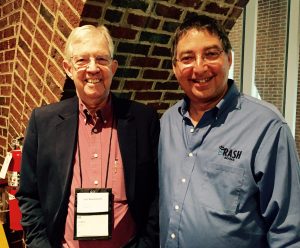 I was heartbroken to read this weekend that my friend
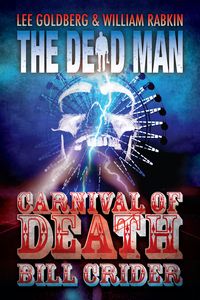 And I am honored that Bill has entrusted me with his terrific western novels
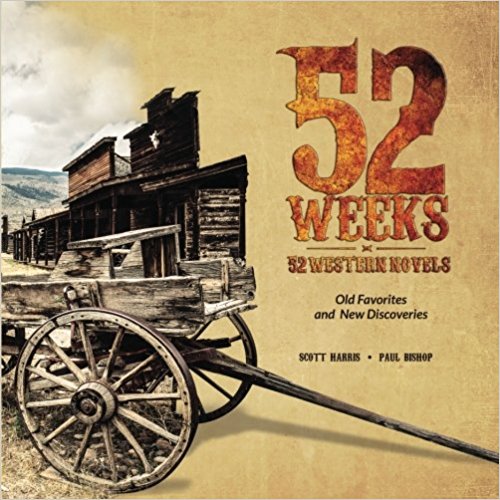
 If I were really industrious, I’d list 52 reasons why this slick, beautifully designed book is a must-have for western fans…especially those who are just getting into the genre. #1 on my list would be that it offers a great overview of key western novels that offer a wide-ranging perspective on the genre. #2 would be that each entry is affectionately, and knowledgeably written by either well-read experts in the genre or acclaimed western authors. #3 would be that even long-time western fans will learn some interesting facts about books and authors they thought they knew everything about. Count me among them. This book is packed with information and will make you want to read, or re-read, every single title.
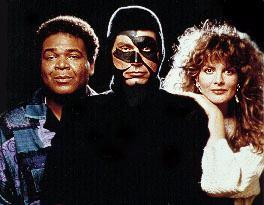

 And finally, none of this would have been possible without the hard work of our office manager

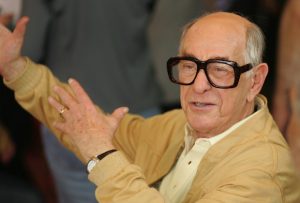
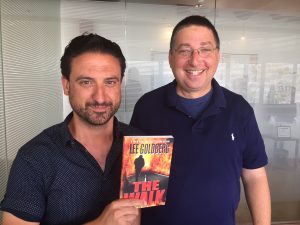
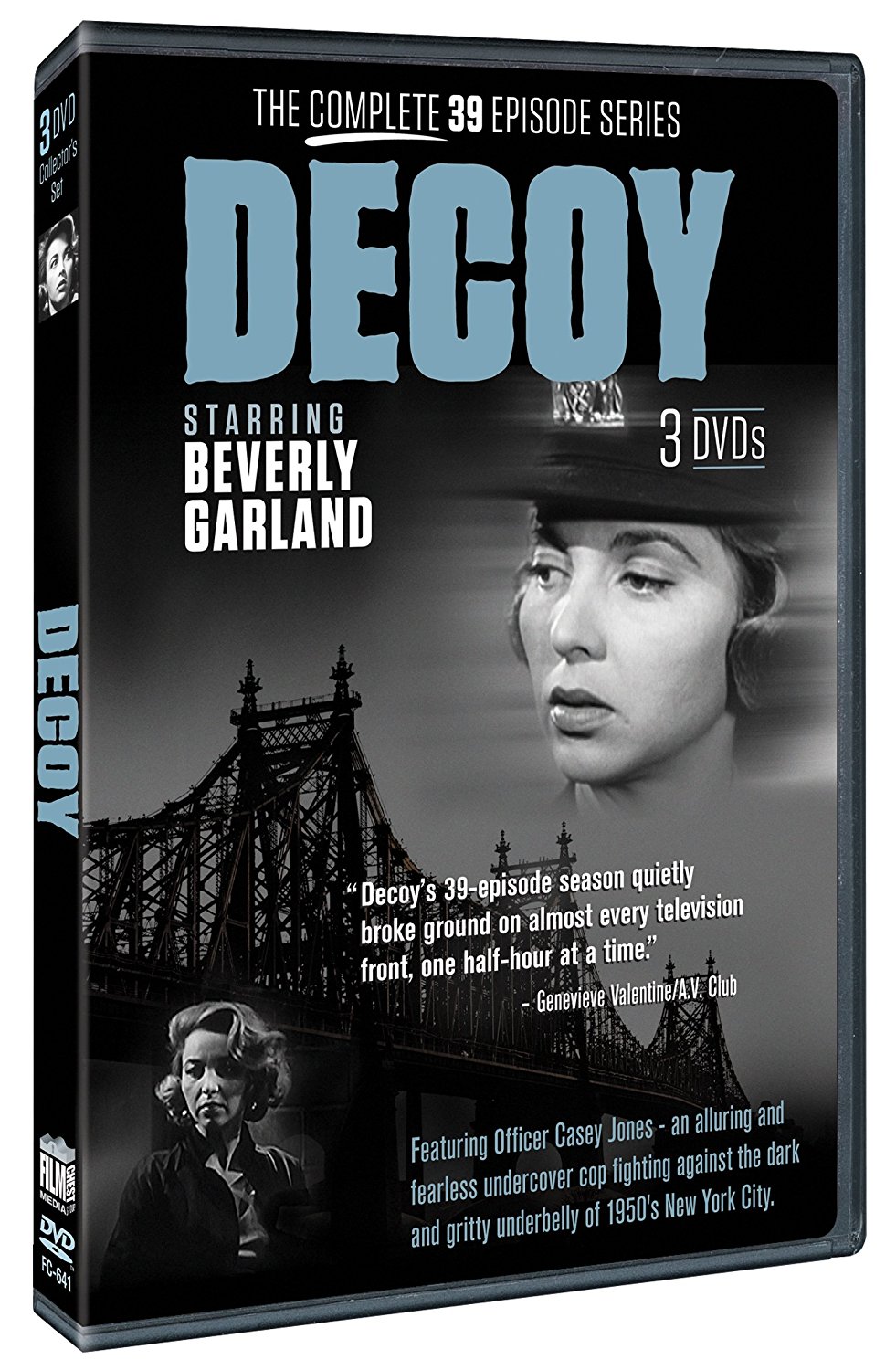
 DECOY
 CORONET BLUE
 I’ve been getting lots of questions about my MONK series. Here are just a few of them.
 I’m so glad that you enjoy the MONK books. I don’t know why you’re having troubles finding MR. MONK GOES TO THE FIREHOUSE. It is widely available
 Even in this age of easy self-publishing, the scammers are still out there… and there are still plenty of suckers. I recently ran into an author who not only “published” his book through Authorhouse, he also paid them extra to buy positive reviews for him in the worthless “self-published books” versions of Publishers Weekly and Kirkus. Not only that, he was seriously considering a sleazy marketeer’s $25,000 campaign to “get his book on bestseller lists” by paying people to buy copies and leave positive reviews on digital platforms. He firmly believed that this is how Stephen King, John Grisham, Janet Evanovich and others get their books reviewed and on the bestseller lists. I, of course, told him was wrong and that he’d been swindled. Afterwards, he emailed me this plea: